Search this site
70 results found with an empty search
- Showrunner: The Netflix of AI
This weekend, we saw a meme of a guy sitting on his couch, typing a prompt to create the kind of movie he wanted to watch. The caption read: “movies in 2027”. To be honest, we didn’t know how to feel about it. Little did we know that while having our coffee this morning, we’d find out it’s already happening! A new player has entered the ring, promising to revolutionize how we create and consume content: Showrunner. WHAT IS SHOWRUNNER? Showrunner is a text-to-episode system, an AI-powered platform designed to assist in the making of “AITV”, as described on their website . Created by The Simulation, the platform offers tools that leverage AI to help script, produce and even cast shows. The goal is to democratize content creation, making it accessible to a broader range of people who have stories to tell but may lack traditional resources. In fact, their target audience is people outside of the filmmaking industry—non-professionals. “It’s the Netflix of AI”, founder and CEO Edward Saatchi told Forbes . “Watch an episode, or make an episode” With this tool, users can create scenes and episodes lasting from 2 to 16 minutes by providing a short prompt. The platform features AI-generated dialogue, voices, editing, various shot types and consistent characters. However, as Saatchi told Theoretically Media , episodes are more episodic in nature for the moment, so you have to “think more like a sitcom where each episode is self-contained and less like an 8-season HBO epic”, although they are working on making it more consistent. Additionally, they are limited to specific styles: anime, 3D animation and cutout. Showrunner launched last Thursday with teasers for 10 shows already in development. Currently in an alpha program, the platform has a waitlist with over 50,000 people, according to their website. However, if you have a comedy series idea, you might get early access , as they are currently focusing on that genre. INDUSTRY CHALLENGES The launch of Showrunner has generated significant buzz and turmoil in the filmmaking industry, which is still recovering from the writers' and actors' strikes and ongoing negotiations with IATSE, the union representing many of the crew members essential to film and television production. In addition to that, on the same day Showrunner was introduced, Sony Pictures Chief Executive, Tony Vinciquerra, announced at an investor conference in Japan that the company plans to explore using AI to produce films for theaters and television more efficiently, as reported by The Hollywood Reporter . This highlights a broader industry trend towards integrating AI into various aspects of film production , a trend that contributed to the recent strikes. But, as George Lucas told Brut during the Cannes Festival, the use of technology in filmmaking is not only inevitable but has been a staple for over 25 years. However, these disruptive technologies come with their fair share of pain. Echoing this sentiment, DreamWorks founder Jeffrey Katzenberg stated at a Bloomberg conference in November 2023 that AI would drastically change how animated movies are made, reducing the resources needed to just 10% of what was previously required. Showrunner exemplifies this potential. "In the good old days when I made an animated movie, it took 500 artists five years to make a world-class animated movie. I think it won’t take 10 percent of that", Katzenberg These developments, coupled with the recent wave of layoffs in the animation and VFX industries and the closing of several animation studios, paint a worrisome landscape for those who create content and entertainment. In short, the integration of AI presents both opportunities and significant challenges, as the industry grapples with the implications for traditional creative roles and job security. THE SILVER LINING While Showrunner arrives with a strong and innovative allure, much like Sora , its long-term impact remains uncertain. The platform has the potential to democratize content creation, yet it's clear that: AI alone cannot replace human creativity and originality. Not everyone is a good storyteller, which is why writing as a profession exists. A single prompt is like an idea. But to make it interesting (full script) is a whole 'nother story. So, initially, Showrunner may attract a lot of interest, but sustaining that interest will require more than just novel technology— it will need compelling, human-driven stories. When we think about it, the future of content creation can be summed up with a simple equation: AI replicates existing ideas + Hollywood’s fear of innovation = more generic movies to come, which is the root problem we are having right now. Or, in the father of Star Wars' words: “The stories they tell are just old movies. There’s no original thinking […]. Big studios don’t want new ideas, they don’t have the imagination to see something that isn’t there”. This suggests that we may see a rise in smaller studios creating incredible films more easily and cheaply, driven by audiences craving new and exciting stories rather than Hollywood’s endless sequels and prequels. This shift is already happening; for instance, the small studio behind Godzilla Minus One recently won an Oscar for VFX, outshining Hollywood giants. So, let’s be part of this revolution. Create your own shorts, series, and movies. Use AI as a tool to help you along the way. Don't give up. Keep creating.
- What is a green screen?
Despite the rise of Virtual Production , the green screen remains an indispensable tool in a filmmaker’s toolkit. This technology, known as chroma keying , allows directors to replace or extend the background of a scene, providing endless creative possibilities. Although you might think that chroma keys are particularly popular in genre movies such as fantasy and sci-fi, where imaginative settings and special effects are critical, they are actually a basic tool for every type of movie. Comedies, dramas, or period films like Peaky Blinders and The Crown heavily use this technique too. The advertisement and news sectors similarly rely on chroma keying. Chroma Key (by the Oxford English Dictionary) /ˈkrəʊməˌkiː/ A digital technique by which a block of a particular color (often blue or green) in a film or video image can be replaced by another color or image, enabling, for example, a weather forecaster to appear against a background of a computer-generated weather map. WHY IS IT SO IMPORTANT? Chroma keying is indispensable in filmmaking for several reasons: Versatility: It enables the creation of seemingly any scene without the need for expensive sets or dangerous locations. It means you can either extend your set as needed and/or add new elements into the scene itself. Controlled Environment: Filming in a studio with a green background saves time and money, as you are not dependent on weather conditions. However, green screens can also be used outside or on set. Cost Efficiency: Filming with green screens can be more cost-effective than building physical sets or even a day in a virtual production cave. Creative Freedom : Directors can envision and execute scenes that would be impossible to achieve otherwise, allowing them to extend sets, create effects and even make people fly. Tip: Always have a VFX supervisor on set for proper lighting and technical setup. They handle unexpected changes on the spot, ensuring VFX artists can focus on creating the desired effects instead of spending more time in tasks like keying and refining edges. If you don't have one, we're here to help. WHY GREEN? You probably noted that the green used for chroma key is kind of flashy and bright. The reasons behind it are that it’s not a shade usually used on other objects or clothing in the foreground and it’s the furthest color from skin tones. However, while green is the most common, other colors can also be used, depending on the specific needs of the scene. Here's the rundown: Green Screen: The most versatile and widely used. Ideal for most scenes due to the high sensitivity of camera sensors to green, and the reasons mentioned before. On the downside, it has a lot of spill * and is not ideal for fine details or blonde hair. * Spill: When green light reflects onto actors or objects, creating unwanted green hues. This needs to be corrected in post-production to ensure a clean and accurate final image. Blue Screen: Before green, blue was the industry standard for its cleaner mattes and sharpness around the edges. Today, it’s mostly used when the scene has green elements or when filming at night, as blue is less reflective, making it suitable for darker settings. However, it requires more lighting, which can affect the budget. Yellow Screen: In this instance, it was not a fabric or a conventional screen, but rather the projection of sodium vapor lights onto a wall, which created the very specific yellow spectrum required. This technique was notably used by Walt Disney from the mid-1950s to the 1970s. Mary Poppins famously utilized it and won an Academy Award for Special Effects. The technology worked wonders even for translucent elements (which remains a challenge even by today's standards), but it required a prism to separate colors, a technology that is now considered lost—though Corridor Crew recreated it and were blown away by the results. Sand Screens (The Dune Case): The specific chroma key tone was chosen primarily to seamlessly integrate actors into desert environments while preventing green or blue spillage onto them or other elements such as armor, visors, or any metallic or reflective objects. But how did it work? It turns out that the opposite shade on the color wheel of the specific sand they used was... blue! This meant that when inverted, they effectively had a blue screen . To ensure its effectiveness, they conducted extensive testing before filming. OTHER USES OF GREEN IN FILMMAKING Green screens are not only used as static backgrounds but also in various dynamic and creative ways to achieve special effects in filmmaking. Actors or stunt performers wear green suits to become invisible in the frame, allowing filmmakers to create the illusion of floating objects or flying people, or to seamlessly integrate CGI characters into live-action scenes. Additionally, green props like balls or rods are used as placeholders for CGI elements, ensuring actors interact naturally with digital elements that will be added later. For instance, in Shang-Chi, actors worked with a green cushion that vaguely resembled Morris, the six-legged winged furry pet with no eyes. CONCLUSION Since the inception of cinema, chroma keying has remained a pivotal tool for filmmakers, facilitating the creation of visually stunning worlds. Despite the rise of virtual production techniques, green screens continue to thrive due to their versatility, cost-effectiveness, and the creative freedom they offer. It is, in fact, not uncommon to incorporate a green background into LED screens for specific shots. Like any technology, the key lies in knowing when to employ it and when to explore alternatives. With ongoing technological advancements, including AI-assisted keying, the potential for this technology to enhance cinematic storytelling is expanding rapidly and makes it more accessible for indie filmmakers to play around with.
- The Art of CGI Capes
While everyone’s talking about the new Superman suit and debating whether it’s a good fit, if the color is too bright, or if they like the return of the red trunks or not, we thought we’d focus on capes… or more precisely, CGI capes. Man of Steel | © 2013 Warner Bros. Entertainment Inc. and Legendary Pictures Funding As you might know, capes are a defining feature for many iconic characters, adding dramatic flair and helping define their silhouettes. From Superman’s iconic red cape to Doctor Strange’s mystical Cloak of Levitation, this flat piece of fabric is an essential part of superhero lore (and other characters, such as Kings or Spartans). But translating capes from comic book pages to the big screen is no easy feat. Practical ones can pose real dangers for actors and performers, or haven’t you tried to put a blanket on and go for a spin on your bike? Trust us… it’s not a good idea. Despite this, capes remain a staple, thanks in large part to the magic of CGI . Real capes can be cumbersome and dangerous. They can easily get caught in machinery, doors, or underfoot, posing significant risks during stunts and action scenes. Additionally, they don’t always move as intended, leading to continuity issues and sometimes behaving unpredictably in wind or water. In the past, directors worked with shorter capes, used lighter fabrics to make them billow, or relied on other techniques to add drama to the scene. This was the case with Burton’s Batman, whose cape had an internal structure to give it the iconic bat-like shape. However, not all heroes needed such shape. Therefore, filmmakers increasingly relied on CGI to bring capes to life on screen. It seems to be in 1995 when a superhero first heralded a CG cape. It was for “Batman Forever”. Given the numerous scenes with elaborate stunts, they needed a better (and safer) way to add the cape. As explained in Befores and Afters : “The digital Batman, complete with cape, would ultimately be considered one of the first photoreal full-body digital stunt performers in a film, paving the way for so many synthetic superheroes to come”. This set a precedent for future superhero films, demonstrating how CGI capes can enhance storytelling and character depth. This new capability to direct how a cape moves made it possible to bring characters such as Spawn to the screen in 1997. This was particularly crucial for this antihero because his cape is a powerful, almost sentient part of his character, capable of morphing shapes, extending to great lengths, and providing both defense and offense. Therefore, a CGI cape was used in several sequences to accurately portray the aforementioned abilities. Another more recent example of a cape with emotions that needed more animation than just dramatic flow is Doctor Strange’s Cloak of Levitation. Spawn | © 1997 New Line Cinema Even when capes don’t have expressive qualities, rendering them in CGI allows for consistent, dramatic visuals , especially during action sequences and flight scenes. Superman's cape is a prime example of this. In Zack Snyder’s "Man of Steel", CGI was used to give the floor-length cape epic movements of its own, allowing it to billow heroically as he soared through the skies, creating memorable shots. This created a sense of grandeur and power that would be impossible with a practical cape. Similarly, Homelander's cape in "The Boys" is frequently rendered in CGI to ensure it moves in a specific way, enhancing his intimidating, menacing, yet dynamic presence. "Anytime [Homelander]'s doing anything crazy like wires or flying or anything like that, we're gonna pull the cape and go CG. We want to control the physics of it when he's flying because that's a big tell for which way the wind's moving”, visual effects supervisor, Stephan Fleet, on Corridor Crew . Now, bear in mind that creating a CG cape is still not just “click and drop”. It involves several steps to achieve a realistic effect , such as creating a 3D model of the cape, adding cloth dynamics to ensure it moves realistically, and texturing it to look like actual fabric rather than a strange blob of color, just to mention a few. Depending on the shot, VFX artists either animate the cape or use advanced cloth simulations for it to move exactly as the director needs. Oh, and you'll probably need a digi-double too. This does not mean you need a CG cape all the time! On the contrary, as we always say, it's the mix between real props and CGI that creates the illusion . Chose your shots wisely and decide when and why to use the 3D one, rather than the real thing. PRO TIP: When incorporating a cape into your hero design, prioritize its role in the story. Decide if the cape should have expressive qualities or if it primarily serves an aesthetic purpose. Collaborate closely with your VFX supervisor early in the pre-production process to ensure the cape enhances your character’s presence throughout the movie. For expert guidance on when to use CGI versus practical effects, and to get comprehensive solutions, consider reaching out to Orbitae . We’re happy to help! So, in the end, and despite Edna Mode’s aversion to capes, 3D technology has given these iconic accessories a new lease on life in superhero films and beyond. Now that you know, the next time you see a superhero’s cape fluttering majestically on screen, remember that it is likely CGI bringing these legendary garments to life.
- A movie made with Unreal Engine
"This movie is about humans and where we are going. It’s about homo sapiens," stated Ishan Shukla at the Neuchâtel International Fantastic Film Festival ( NIFFF). "Schirkoa: In Lies We Trust" is an animated film that navigates the cyclical nature of human civilization——encompassing utopia, dystopia and a neutral point of view. Set in a world divided by extreme control and extreme freedom, Shukla’s narrative captures the essence of humanity's ongoing struggle. "Without going full circle, it’s impossible to understand how human beings build and destroy civilizations", Shukla explained. Unlike traditional animated films such as " Nimona ", "Schirkoa" was brought to life using Unreal Engine, a decision that significantly shaped its production. Here’s a look at how it was done. FROM CONCEPT TO SCREEN The journey of "Schirkoa" began in 2011 with a graphic novel that the director never finished, as he soon asked himself: “Can I do an animated short film alone?”. Indeed, he could. The initial concept transformed then into a 13-minute short film , consisting of 31 sequences and 246 shots, crafted over four years. Initially, Shukla employed traditional animation tools, but the complexity of his idea proved daunting for a feature-length movie. This challenge led him to embrace Unreal Engine, very early on. "Unreal Engine changed everything, providing live feedback and allowing adjustments on the spot", Shukla said and added: "being the lighter, cinematographer and director, the tool gave me a lot of liberty because I could change things until the very end”. UNREAL ENGINE: A GAME CHANGER FOR ANIMATION MOVIES For those unfamiliar with it, Unreal Engine is a 3D software tool primarily used for creating video games. Owing to its real-time rendering capabilities, it has also become a popular choice for filmmakers looking to craft their own animated films , including us , and for previs . For Shukla, adopting Unreal Engine was transformative, enabling him to bring his vision to life. He started by constructing the huge cities of Schirkoa and Konthaqa. Drawing inspiration from major cities like New York, the director aimed for a universally appealing design, blending elements from diverse cultures to forge a city that resonated with viewers globally. Because Unreal is a game engine, it meant that, after building his cities, Shukla could virtually explore and select precise locations for each scene. He then set dressed these areas, much like you would do with a real-life movie . The tool also allows the use of “multicam sessions”, enabling Shukla to actively manipulate camera angles and focals, while editting scenes in real-time. "Unreal is a superb pre-production tool. It lets you make a rough cut of your film directly within it, so you can feel how the narrative flows and then polish it more as you go along", Shukla. MOCAP AND CHARACTER DESIGN Despite most characters in "Schirkoa" wearing paper bags on their heads, Shukla ensured they possessed distinct features, given that we could still see their eyes and lower jaws. The voices were recorded (and filmed) first, which gave the mocap actors cues on how to perform. This extensive process, conducted over a period of 14 days in a French studio, encompassed not only the performance capture for the main characters but also for the myriad of "extras" populating the virtual world. To achieve this, Shukla presented the actors with a variety of scenarios which they acted out for extended durations —ranging from simple tasks like fetching the morning paper to engaging in a heated discussion in a bar. This meant he had hundreds of hours of mocap he could use and play with to populate his city. To maintain realism, it was crucial to ensure real-world elements matched their virtual counterparts in Unreal Engine scenes. "You need to know the height of your table in the real world so that it corresponds with the one within the virtual environment”, Shukla explained. He also chose stunt performers and stage actors for their ability to deliver prolonged and dynamic performances, which proved invaluable in scenes like a bustling bar, where their unique actions brought every angle to life. Finally, mocap data was cleaned up and enhanced by a team in India, ensuring the animations remained smooth and jitter-free. CHALLENGES AND INNOVATIONS Ishan Shukla's pioneering adoption of Unreal Engine necessitated the creation of a custom pipeline and cheat sheets , ensuring smooth transitions between different software applications. Moreover, given that the tool was fairly unknow at the time he was in post-production, Shukla had to take on multiple roles to complete it. Looking to the future, Shukla acknowledges that the suitability of Unreal Engine will depend on the specific demands of each project . For "Schirkoa", with its extensive urban landscapes and many many characters, Unreal was a no-brainer. It enabled a degree of complexity and detail unachievable within the same budget and timeframe using traditional animation or live-action methods. Ultimately, Shukla's experience proves that with creativity, (a lot of) patience and a willingness to embrace new tools, there are now numerous ways to produce an animated film. His journey serves as an invitation to filmmakers to experiment and combine different tools, crafting a unique pipeline that best serves their narrative. At least, for us, it was very inspiring.
- What is... a previs?
Previsualization, or previs, is a way to visualize film scenes in advance. It helps directors plan and conceptualize complex moments, often weeks or months before shooting begins. Previs of La Piñata Before/After | ©Orbitae Sàrl Often done in 3D , this approach is not only reserved for productions with special effects; it is also very useful for films without any. Here's why previs has become indispensable in production: COMPLEX SCENES PLANNING Does the scene have many characters entering and exiting the frame? A fast pace? Visual effects? Many locations? Previs helps directors orchestrate each element of the scene, defining what they want to tell and how to tell it. Anticipating camera movements, actor interactions, lens types, rhythm, etc., are all points that can be resolved in advance, ensuring smooth and efficient execution during filming. Even Villeneuve used it for Dune! STUNT PREVIS Executing scenes with a car chase, a gang fight, an avalanche, or an animal attack can seem like a daunting task. Stunt previs is key to defining choreography and coordination between actors and the camera. Notably, depending on the type of stunt, this step becomes crucial in preparing scenes that require millimeter precision and maximum safety. Extract from IGN exclusive BTS of Furiosa: Mad Max Saga SET CONSTRUCTION By creating sets in previs, it is possible to determine the desired lighting, how it will be dressed, what can be eliminated and what must absolutely be kept. For example, for "John Wick 3", the set of one of the final scenes was created in Unreal Engine, allowing for informed decisions before its construction and even exploring the set itself thanks to VR. "It became this tool that allowed us to visualize what the set looked like, and also helped us to create the lighting and the design of this thing months and months before any decision had to be made on set", Alex Nice, Concept Illustrator. "The actors, directors, cinematographers went into the VR model so they could basically visualize everything that was going to be built and seen in the film", he adds. BUDGET OPTIMIZATION By previsualizing some scenes, directors and producers can significantly reduce production costs by avoiding time wastage on set and optimizing resource use. As we know... time is money. For instance, for Netflix's "Society of the snow", a previs of the plane crash was created, which helped them determine how many seats and what parts of the plane they needed to build for this particular and complicated moment. Images du BTS - © Netflix A GOOD COMMUNICATION TOOL Previs also serves as a visual reference for all those involved in the project. It facilitates the director to communicate his or her vision and ensures that all members clearly understand the composition and tone of the scene to be shot. BONUS - A WAY TO TEST SHOTS FOR DIRECTORS This process offers great creative freedom. With this tool, directors can experiment with different camera angles, lighting and narrative approaches before making final decisions, thus promoting a richer and more accomplished artistic expression. All in all, previsualization is not just a technical tool; it's an extension of the creative vision, a facilitator of communication and an essential instrument for the effective management of a cinematic project. That's why, at Orbitae, we offer 3D previs services for complex scenes, as well as stunt previs. Interested? Don't hesitate to contact us!
- Virtual Production: 5 Key Elements to Understand
Everyone's talking about it. Since "The Mandalorian" series, virtual production has been used in many projects, including blockbusters like "The Batman" and Netflix's series "1899" (the behind-the-scenes is a must-see to discover and understand how it works, by the way). But, what is it? In short, Virtual Production (or VP) uses LED screens to project pre-designed virtual environments. Thanks to Motion Tracking, it dynamically adjusts the perspective in real-time within a "volume"—the area surrounded by LED screens. This facilitates the integration and immersion of actors into digital sets, right on the stage. Now, before diving into making a whole movie with this technology, here are a few things you should know: LESS POST-PRODUCTION, BUT MORE PRE-PRODUCTION! Virtual production can reduce post-production time, but that doesn't mean it’s quicker overall! In fact, post-production time shifts to pre-production. Yes, virtual production requires more in-depth preparation because all environments must be created in advance. This means that everything, from textures to lighting, must be anticipated before shooting. "All that stuff took months and months inside a computer game space, before we start building [the set]", Dylan Clark, producer of The Batman. Now, this doesn’t mean there’s no post-production at all. Color grading, compositing, and other visual effects will still be needed. TESTS, TESTS & TESTS It's crucial to run tests to ensure that the environments work well with the sets and the actors' lighting. It's also vital to test for technical performance. Highly detailed environments require high-performance computers, so system stress tests are essential. LOOK DEVELOPMENT The rendering can be photorealistic, stylized like in "Sin City" or entirely surreal. This choice, made before shooting, dictates the project's mood, tone and visual and technical appearance. It requires close collaboration between the director, the DoP, the design team and the visual effects supervisor. When filming in front of a screen, it's vital to test the desired look to set optimal conditions. Don't fight the technology; work with it for better results. REAL SETS SELL THE ILLUSION Every successful virtual production needs set design in front of the screens. This ties everything together. VP can be viewed as an extension or complement to a real set rather than a replacement. A VFX SUPERVISOR IS A MUST The visual effects supervisor is your bridge between creative vision and technical reality. This person is responsible for ensuring consistency and preempting any technical issues during the integration of real and virtual elements. Integrated from the get-go, they'll advise on the best way to achieve desired effects or even which technique to use, given time and budget constraints. Don't have one? Send us an e-mail! IT'S A TOOL, NOT A UNIVERSAL SOLUTION Although virtual production offers new possibilities for filmmaking or advertisements, sometimes it's not the best solution. For effects requiring actor interaction, like particles or volumetric effects (smoke, explosions, etc.), a green screen might still be preferable to avoid long rotoscoping hours. This means each scene should be evaluated to find the most optimal solution based on budget and time. UNDERSTAND ITS LIMITS AND ADVANTAGES Yes, with virtual production, you can have a sunset for 8 hours of shooting, which is sweet. Plus, if you have a character that uses a reflective armor, like in "The Mandalorian", or even a car scene, it's very useful! However, it's crucial to understand the technology's benefits and limits. A common mistake is to push the technology, expecting an ultra-realistic final render without the necessary technical resources. In fact, is now common knowledge among VFX artists, that the background has to be completely replaced (meaning lots of rotoscopy work), because the final output might not be realistic enough. This was the case for the final scene of "Ant-Man and the Wasp: Quantumania". It went to a point where RED used it as a selling point for their V-RAPTOR [X] Camera, saying it "captures final pixel and green screen simultaneously". Another thing to consider is that some LED screens might display moiré patterns, especially when the camera moves quickly or is set at different frequencies. Also, not all LEDs render colors the same way, which might affect how scene colors are perceived on camera (we said it before: do some tests and, yes… more tests!). In conclusion, virtual production offers directors and production teams new tools to realize their artistic visions. However, like any technology, it demands meticulous preparation and close collaboration between teams to harness its full potential. While it may seem like the answer to every production challenge, knowing when and how to use it effectively is essential. After all, true art lies not just in mastering the technology but in the ability to know when to use it in order to enhance the cinematic experience.
- VFX or CGI?
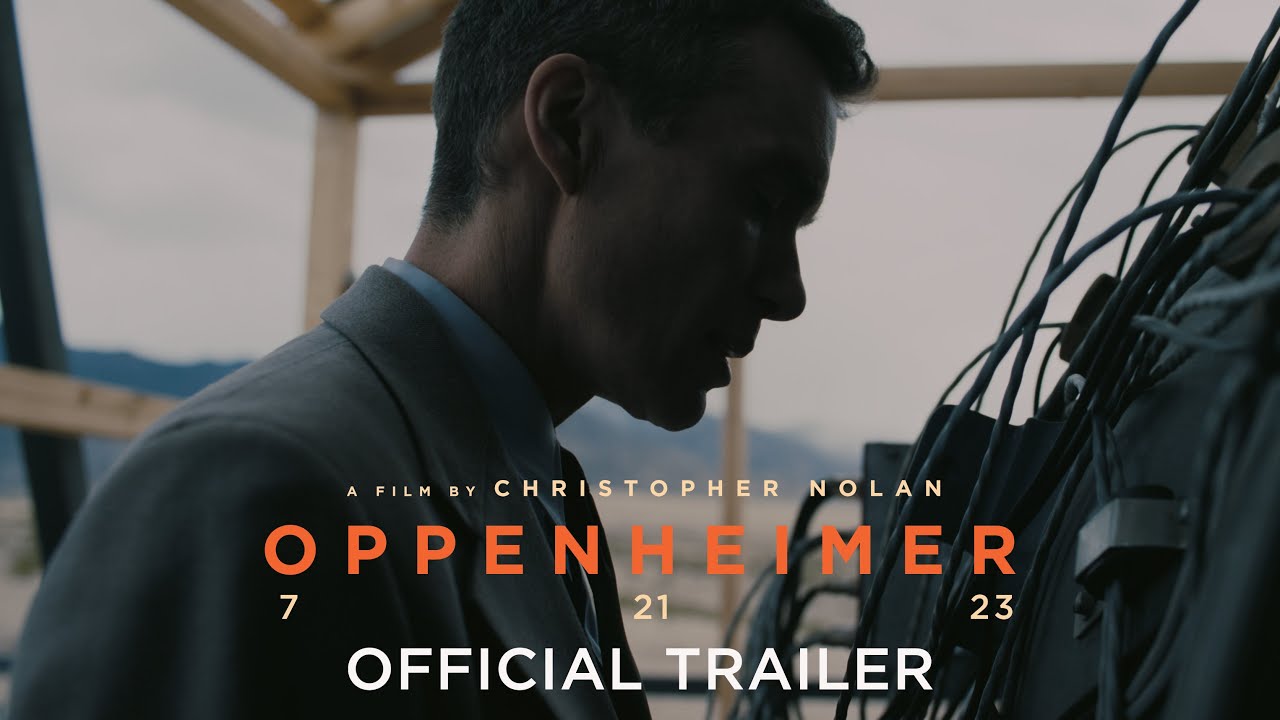
The film industry and its audience have yet again found themselves at odds over the claims of 'zero CGI' used in Christopher Nolan’s 'Oppenheimer' . This is so common nowadays that it has reached a point where people and studios are seemingly afraid to even mention that they're using CGI—it's like we're the Voldemort of the story. But why does this matter? Listen, we don't mind being He-Who-Must-Not-Be-Named (a character brought to life thanks to a beautiful mix between SFX and CGI , by the way), but unfortunately, the negative publicity is impacting the art and the artists that work endless hours unnoticed. Therefore, we are on a mission to demistify the VFX industry, and we are not alone. In fact, for a more in-depth explanation on the subject, we highly recommend watching "No CGI is just invisible CGI" , from The Movie Rabbit Hole, hosted by Jonas Ussing. With this article, we hope to offer more clarity and shed light on the indispensable and gigantic role of visual effects in filmmaking. What exactly is CGI? A BIT OF HISTORY The art of Visual Effects has been an integral part of filmmaking since its inception, being used in movies as early as 1900! Pioneering filmmakers like Alice Guy and Georges Méliès were among the first to employ methods such as tinting and double exposures, adding a layer of magic to their narratives. Techniques like rear projections and matte paintings were introduced later. Today, the tradition of illusion continues with digital tools (aka computers) and now even artificial intelligence! So, although the tools have evolved, the core purpose of VFX remains the same. What you're trying to do is give the audience a better picture, that tells a better story", Clarence Slifer, Academy Award winner for Best Special Effects, in The Invisible Art . IS IT VFX OR CGI? In a nutshell, CGI is about wholly computer-generated imagery (hence CGI), from fantastical creatures to cityscapes. Conversely, VFX (visual effects) encompasses a broader spectrum, sometimes integrating CGI with live-action footage. VFX side by side - we erased the crew and the cables holding the vampiresse Therefore, VFX would be the umbrella term that refers to any image alteration that happens in post-production , regardless of whether it's with 3D elements (or CGI) or the compositing of various in-camera footage to create a better image. It's about seamlessly integrating various elements in post to create believable scenes. In this context, CGI would be a subset of VFX, a tool. This term could be reserved for entirely computer-made creations such as characters, backgrounds or objects. It can also be re creations of something that exists using, for example, photogrammetry. In other words, CGI is the modern tool of choice when real-world shooting is too expensive, too dangerous, impractical or impossible. It allows filmmakers to render their visions to life, transforming otherwise normal or impossible sets and/or characters. Behind the CGI scenes for " Artificial Faith ". We modified the metahuman and created the clothes from scratch DON'T FORGET SFX! While CGI and VFX reign in the digital domain, SFX reminds us of the tangible. In deed, SFX refers to all practical or physical effects that occur on set . These can include elements like prosthetics, makeup, weather effects, miniatures and pyrotechnics. Unlike VFX, which is applied or created in post-production, SFX is all about creating tricks in-camera , which (we must confess) are often enhanced in post-production. But, for us, the beauty of cinema relies in the blend of all these techniques! In conclusion, labeling a film 'zero CGI' might be a compelling marketing angle, but it oversimplifies the vast, collaborative art form that visual effects represent. The interplay of CGI, VFX, and SFX is fundamental in modern filmmaking, each element crucial in crafting the movies we love so much (even the ones that are not fantastical!).
- The Legal Battles of AI: the voice cloning cases
Today, you can ask AI to create images, videos and even music. But you can also use AI-generated voices or clone existing ones for many purposes. With tools like ElevenLabs (our favorite), users can alter, clone and dub voices with impressive accuracy. This technology is increasingly used in various fields, from film narration and translation, to customer service and more. However, its rapid development raises significant ethical and legal concerns. Here are some of the hottest controversies. SCARLETT JOHANSSON VS. OPEN AI Scarlett Johansson may be lawyering up against OpenAI over concerns about the unauthorized use of her voice for their AI personal assistant, Sky. According to a statement given by the actress to NPR, Sam Altman, CEO of OpenAI, reached out to her nine months ago to ask her to voice Sky, as it would be “comforting to people” since they are already familiar with her voice as an AI in the movie “Her”. But she refused. To her surprise, when the assistant was launched, the voice sounded eerily like hers. To add insult to injury, Altman posted on X: "Her," leading many to believe there was foul play. However, OpenAI explained later in a blog post how they chose the voice. Nonetheless, Johansson’s legal team argues that the technology poses a significant threat to performers' control over their own voices. This situation could set a precedent for how AI-generated content is regulated and the extent to which individuals can protect their vocal likenesses. "In a time when we are all grappling with deepfakes and the protection of our own likeness, our own work, our own identities, I believe these are questions that deserve absolute clarity", Johansson told NPR. ACTORS ACTUALLY SUE AN AI COMPANY In the USA, two actors are suing the AI voice generation company LOVO for unauthorized use of their voices, as french lawyer, Betty Jeulin, shared on her Linkedin. In the lawsuit, two actors allege that their voices were cloned and used without consent. Both were hired via Fiverr before the AI advent (2019 and 2020) for purposes like "academic research in voice synthesis" and "radio ad script tests for internal use". Unfortunately, one of them discovered his cloned voice was used in 2022 to promote Russian military equipment on YouTube and in a 2023 podcast about AI dangers (ironically). The other found her voice and image in a 2023 promotional video by LOVO, showcasing their AI voice cloning technology to investors on YouTube. They were paid $1,200 and $400, respectively. The New York court will evaluate multiple legal issues, including possible breaches of SAG-AFTRA's rules on AI usage, highlighting important concerns about consent and fair compensation in the growing AI voice technology industry. THE CORTANA SWISS-GERMAN VOICE CASE Another interesting case involves a Swiss-German artist, Helena Hallberg, who voiced Cortana for Microsoft in that specific language. In her TikTok video, she expresses disbelief upon learning that her voice was sold (cloned) to other platforms by the company, all for just $3,000. This incident highlights the growing concern among voice professionals and other artists about the lack of control and potential exploitation enabled by AI voice cloning technology. This, mixed with the unclear legal framework surrounding AI uses, leaves artists at a loss when situations like these happen.
- Apple “Crushes” Creativity
Apple recently faced significant backlash over its iPad Pro "Crush" advertisement, prompting an apology from the tech giant and opening discussions about human creativity in a world increasingly influenced by AI. Here's what happened. THE AD AND ITS CONTROVERSY On May 7, Apple’s CEO Tim Cook published the ad on his X account. As of today, the post has over 60 million views, but the comments are overwhelmingly negative. To promote their thinnest iPad, Apple decided to crush a myriad of artistic symbols—such as paint cans, musical instruments and cameras—with an industrial hydraulic press. The backlash was immediate, forcing Apple to issue an apology just a few days later and acknowledge that the ad "missed the mark", as reported by CNN. Many internet users were also quick to compare this ad with LG’s 2008 one, where various instruments were equally destroyed in a vertical press to create a mobile phone. As a result, Apple lost even more points for lack of originality. IN CONTRAST WITH THE 1984 AD Apple's "1984" Super Bowl ad is one of the brand's most famous commercials. Directed by Ridley Scott, it depicted a dystopian future inspired by George Orwell's novel "Nineteen Eighty-Four". The ad showed an athletic heroine destroying a screen portraying Big Brother, symbolizing IBM, to introduce the Macintosh computer. Despite initial controversy and almost being pulled, it set a new standard in advertising and solidified Apple's image as an innovative disruptor, as described in Mental Floss. The "1984" ad contrasts sharply with today's ads. The company's early advertisements, including "Think Different", celebrated individuality, creativity and breaking away from the norm. These ads were not just about the products but about a vision of technology as a liberating force, a way to enhance creativity. Over the years, Apple's focus has shifted to highlighting the design and functionality of its products, often with simpler, more direct messages, that, in this case, did not land. SAMSUNG'S SWIFT RESPONSE Capitalizing on Apple's stumble, Samsung released its own ad just a week later, trolling Apple's blunder and highlighting Samsung's commitment to originality and creativity. Executive Creative Director from advertising agency BBH USA, Estefanio Holtz, said in a statement to CBS News: "It's about humanity, and the tablet is just a tool that helps her [the guitar player] play the notes. We went in the opposite direction to remind people, as we go through technological innovations, that we cannot leave humanity behind". The response, however, was met with mixed reviews. TECHNOLOGY AND CREATIVITY The controversy sparks a broader conversation about the role of technology in creative industries. As technology advances, including AI, concerns grow over the authenticity and originality of creative work. The backlash against Apple's ad reflects a fear that AI-driven or derivative creativity may undermine genuine human exploration and creation. In a time when AI can generate art, music, and even advertisements, the emphasis on originality and ethical creativity becomes even more critical. Technological tools have always been a double-edged sword in the creative process. On one hand, they enable unprecedented levels of creativity and productivity. Software for graphic design, video editing and music production allows creators to push the boundaries of their fields. On the other hand, the accessibility of these tools can lead to homogenization, where the unique touch of human creativity is overshadowed by templated, algorithm-generated content. In this case and in today's panorama, Apple's "Crush" ad pushed (or crushed) the wrong buttons.
- AI’s not a Magic Trick, neither is Sora. The Air Head case.
A few weeks ago, we published an article about Sora, the new OpenAI's text-to-video generator, wondering if (and how) it might revolutionize filmmaking. The tool was subsequently tested by several artists and filmmakers, whose short films gained traction and stirred up curiosity, but also doubts in the minds of many creatives. But is AI as easy as it seems? The short answer is: no, as we'll see with the Air Head case, a Sora short film. As of today, AI is a tool that recreates things (images, videos, text). While anyone can quickly generate an image of a bunny under a rainbow in Dali's style, the standout AI art comes from a new breed of artists who invest time mastering these ever-evolving tools. They experiment with prompts, iterate repeatedly, create new workflows, and try new approaches. More often than not, the output is refined or post-produced using "traditional" tools to make the final result cohesive. "It’s not as easy as just a magic trick: type something in and get exactly what you were hoping for," Sydney Leeder, Shy Kids producer, about Sora. THE AIR HEAD VIDEO CASE A prime example is Sora's short film that went viral, Air Head. Created by the Toronto-based group Shy Kids, it features a man named Sonny with a yellow balloon for a head. The film's concept got the attention of thousands partly because it was promoted as a showcase of Sora's imaginative content generation. And, yes, it is amazing. Today, it’s often cited as a prime example of “what AI can do in video”, but is it really only AI? Again, the short answer is: no. First and foremost, the filmmakers at Shy Kids were the ones who came up with this great idea. In order to make it a reality, they had to test various prompts and create many iterations of scenes to find a few that worked. In an in-depth interview with FXGuide, Patrick Cederberg, Shy Kids' animation and post-production director, discussed their experience using Sora. He noted that hundreds of generations were produced, saying, "my math is bad, but I would guess probably 300:1 in terms of the amount of source material to what ended up in the final." He also explained that, on average, rendering a 3 to 20-second clip took around 10 to 20 minutes. While Sora can render up to 720p, they chose to work "at 480 for speed and then upright using Topaz", another AI tool that upscales video resolution. Despite Sora's capabilities, the scenes generated also required extensive post-production work. They faced issues like maintaining the balloon's color and shape across scenes, and had to remove unwanted artifacts like faces embedded in the balloon. "What you end up seeing took work, time, and human hands to get it semi-consistent, through curation, scriptwriting, editing, voiceover, music, sound design, color correction... all the usual post-production stuff", Cederberg explains in the BTS video. So, while the technology enabled the filmmakers to generate surreal short clips quickly (which is very exciting), it still required manual intervention to achieve the complete vision. This shows that tools like Sora aren't a magic bullet for seamless and original art. Instead, they complement traditional techniques and artists. As Sydney Leeder noted, "using Sora definitely opens up a lot more possibilities, especially with indie film crews working on low-budget projects".
- 5 Must-Watch film documentaries!
To make a film, an incredible variety of talents and a diverse range of artists are needed. Behind-the-scenes footage often highlights directors, actors and actresses, but what about the rest of the team—the technicians, designers and unseen creatives tasked with bringing to life a world, a vision that doesn’t yet exist? To shed light on these essential but often overlooked aspects of filmmaking, we've curated a list of 5 film documentaries we highly recommend. Each one offers a glimpse into the creative process, celebrating the imagination, innovation and relentless dedication required to craft the movies we love. Creature designers - The Frankenstein complex This documentary explores a century of monster creation in the cinematic universe. It highlights the work of artists who, like Frankenstein, bring to life creatures that have now become iconic on both the big and small screen. Discover the world of special effects (SFX) masters who, equipped with a simple idea, a piece of cardboard and tons of silicone, shape the nightmares that haunt our nights. Featuring interviews with renowned artists in the field such as Rick Baker, Alec Gillis, Phil Tippett, Matt Winston (Stan’s son), and more, this documentary is a must-see! Because even though we do a lot of VFX, we always advocate for a mix of techniques. The movies that made us de Netflix Less known but equally fascinating, this documentary series, now in its third season, delves into the behind-the-scenes of cult movies. From "Jurassic Park" to "Die Hard" and "Pretty Woman", to a special Halloween season featuring movies like "RoboCop" and "Friday the 13th," this series unveils the secrets (and misadventures) of movie production. You'll discover a variety of interviews, from directors to screenwriters, set designers to special effects experts. It showcases a wonderful melting pot of all the professions involved in filmmaking. What did we learn? That nothing is really completely under control when making a movie. Robert Rodriguez – the rebel without a crew In this six-episode docu-series, we follow director Robert Rodriguez as he reenacts the exercise that changed his career over 25 years ago: making a movie in 14 days with $7,000. Although today he can make huge savings thanks to the sets he can create directly in the Troublemakers Studio hangars with props from old movies, he shares with us his creative process. This series is for those who love to have the camera on their shoulder; it's filled with tips and tricks from writing to organizing production, working with actors, creating low-cost effects, and the magic of sound and editing. We must say... we are tempted to do it. Who would be up for this adventure? Contact us! Lord of the rings – appendices This is an oldie, we know, but such a goodie. We've never had the opportunity to delve so deeply into the production of a movie as we did with these so-called appendices that came with the LOTR DVDs. For over six hours, dive into Tolkien's universe brought to life by Peter Jackson. The making of the films was an epic in itself, just like the story they told. 5 years of prep, 1 year to film the 3 movies simultaneously, a Herculean task of creating props, thousands of people involved, up to 8 additional directing units, and more than 4 hours of dailies to review each evening. In short, the appendices provide in-depth content on the making of LOTR; or the scaffolding necessary to make a fantasy film. You can watch them directly on Youtube! (ah, that 2000s vibe, right?) Jodorowsky’s Dune This documentary explores filmmaker Alejandro Jodorowsky's failed attempt to adapt the novel "Dune" in the mid-1970s. The film delves into this ambitious, yet unrealized project, which would have presented a unique and avant-garde vision for the market of that era... and perhaps even for today's market. It brought together an unparalleled team, featuring iconic artists and pop culture figures like Moebius and Giger, as well as Dali and even David Bowie. What captivated us is that, even though the film was never made, Jodorowsky's vision paved the way for subsequent science fiction masterpieces such as Alien, Star Wars, and even The Matrix. Have you seen any of those? Which one do you recommend us to watch next? Let us know in the comments.
- The Oppenheimer “zero CGI” controversy
In the last decade, the VFX industry has been under siege and is in a reputation crisis, despite being an essential part of cinematic magic since the early days of film. Headlines with narratives of how “bad CGI ruins a movie” or how “the ol’ times were better” are proliferating throughout the internet. Today, the controversy resurfaces as Christopher Nolan, in an interview with Collider, apparently said that there is “zero CGI shots” in his new movie Oppenheimer – which we aren’t really sure if he said that or if the journalist interpreted it that way. Either way, this has sparked a huge debate within the industry, because it is not the first time this has happened. Similar claims were said with Top Gun: Maverick, where everything was done practically, like in the 80’s. This was of course later debunked, as it had 2,400 VFX shots and was even nominated to the Oscars for best VFX. George Miller, Mad Max: Fury Road’s director, also initially stated that the movie relied almost entirely on practical effects, which was a significant selling point for the film. However, it later emerged that the movie used a substantial amount of CGI and VFX. Now, let’s try to set the record straight. First, Nolan did not shun the VFX for the film, contrary to media interpretations. Although he is known for his commitment to practical effects (we all remember he blew up a plane for Tenet – which was then enhanced with you know what…), his movies would not be possible without CGI. What Nolan said is that he wanted to use practical methods to recreate key events such as the Trinity test and explained how they are working to do so with his effects supervisor. For him, "animation tends to feel a little safe for the audience. The Trinity Test, ultimately, but also these early imaginings of Oppenheimer visualizing the Quantum Realm, they had to be threatening in some way. They had to have the bite of real-world imagery", as he said in the interview. This does not mean that there will not be any digital effects involved. In fact, DNEG, renowned VFX company that has worked in shows like Dune and Last of us, published a tweet a year ago, informing they were the sole VFX studio working on it and, recently, also shared the movie trailer, confirming their involvement in it. So, no CG? Not really. Second, in the comment section of the tweet that started the controversy, the journalist says that there is a differenciation between VFX and CGI. While this is true, the headline of the article claims that there are "zero" CGI shots in the movie. By doing so, the journalist—and possibly Nolan—is treading a fine line with semantics. This use of nuanced language, while technically accurate, can be misleading for those not well-versed in the intricacies of film production terminology. This not only causes confusion among readers but also undervalues the significant roles both VFX and CGI play in the industry. It oversimplifies complex processes and creates a potential misunderstanding of the hard work and creativity involved in these fields. Why? Well, many films are sold as being made “almost” entirely with practical effects. Although this may be true, the final output is only possible thanks to the magic of CGI. Enhancements, set extensions, cable removals, actors touch-ups, etc. This invisible work, carried out by hundreds of artists and involving thousands of hours, often goes unrecognized and is even belittled, particularly in the face of such claims. In addition to that, the VFX industry often grapples with challenging working conditions and intense competition, with some directors and producers lacking a deep understanding of the VFX process, leading to unrealistic expectations and stressful work environments. But the questions remain: why is CGI still so vilified? Why do media hate them so much (and therefore the audience)? Why its absence is used as a key element in a marketing campaign? This is similar to the use of Auto-Tune in music. People hate it. The media hates it. But the reality is that it’s used all the time, everywhere, without you even knowing it, since Cher’s 1998 track "Believe". The conversation needs to shift. Instead of vilifying VFX, we should acknowledge it as a tool that helps further the narrative of the story, making many of the movies we love possible. Like any tool, its effectiveness depends on how well it is used and how the artists are treated. In Oppenheimer's case, we will know for sure how much digital effects are used in the movie in a year or so. Meanwhile, controversies are always useful for selling tickets. We certainly are going to see it! Are you?